
Wildfire research · 6 min read
A Hands-Free Thermal Camera for Wildfire Hot-Spot Detection
After the flaming front of a vegetation fire is extinguished, the job isn't over. Roots, bark, and organic material in the soil can keep smouldering in hidden “hot spots” that reignite with a change in wind or humidity. Finding them during mop-up is slow, awkward, and depends on senses that don't always work. Scion's wildfire researchers set out to test whether a wearable thermal camera could do better — and Frontier Wear supplied the Navigator 520 used in the trial.
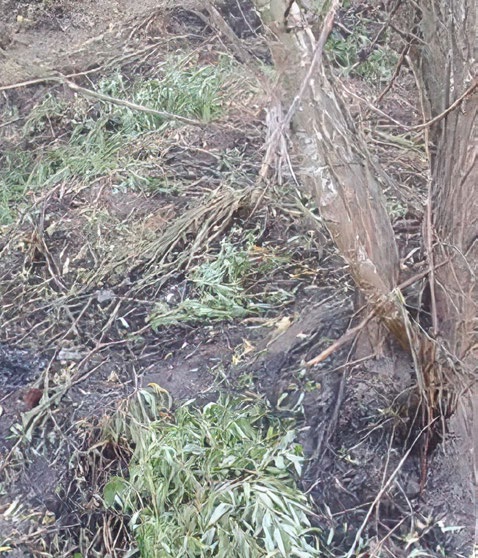
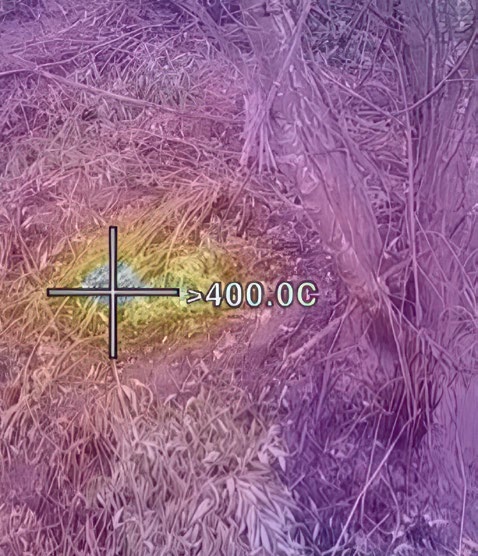
How crews find hot spots today
To locate smouldering material on the fireground, firefighters use almost every sense they have:
Hearing
On a quiet, windless day, a hot spot can occasionally be heard crackling.
Smell
Firefighters position themselves downwind and track the plume of combustion gases back to its source.
Sight
Visual clues like white ash or a thin, hard-to-see smoke column narrow the search area.
Touch
Ultimately, a bare hand feels for heat — effective on small hot spots, but a real burn risk on big, active ones.
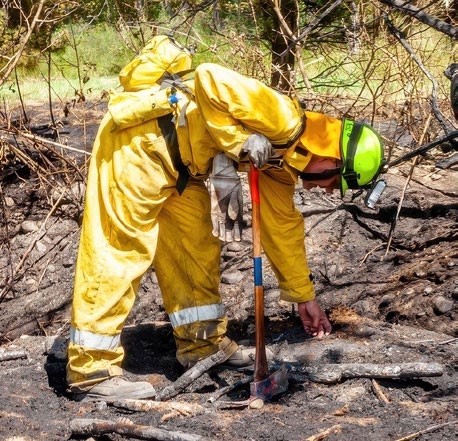
Handheld thermal cameras help, and are commonly used on vegetation fires — but one hand is permanently occupied holding the camera, competing with the hand tool a firefighter is already carrying. The moment they look away from the viewfinder to dig or swing a tool, they lose thermal vision entirely. The usual workaround is pairing two firefighters together: one on the camera, calling out directions, one on the tool — which works, but ties up a second person for the whole task.
A camera that doesn't need a hand
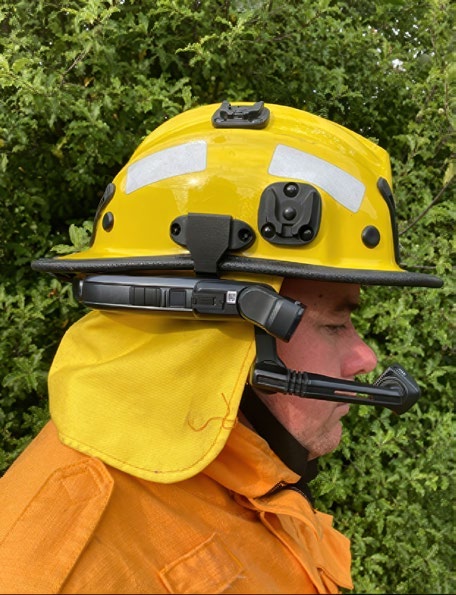
Scion's researchers went looking for a wearable thermal camera suited to wildland firefighting, and landed on the RealWear Navigator 520 — a voice-controlled, hands-free Android wearable built with a FLIR Lepton® 3.5 thermal sensor alongside a conventional visible-light camera. The thermal feed displays on a boom-mounted screen positioned just below the wearer's dominant eye, controlled entirely by spoken commands, leaving both hands free for a hose or hand tool.
To fit it for the fireground, Frontier Wear had a pair of clips specially fabricated to mount the device on the New Zealand wildfire helmet (Pacific Helmets model BR9). At 275g, the whole setup adds negligible weight to a firefighter's existing kit.
What the trial found
Trial participants needed a short adjustment period before the device felt natural to use:
Both eyes open
The instinct to close one eye to view the display works against the camera — it's designed to be used with both eyes open.
Slow, deliberate scanning
At an 8 fps refresh rate, the thermal image can't keep pace with fast head movement — slower scanning tracks it cleanly.
Natural within minutes
After 5–10 minutes of use, walking and scanning the fireground with the device felt natural to trial participants.
No eye strain, no added weight
Participants reported no noticeable strain and didn't feel the extra weight on their head during extended wear.
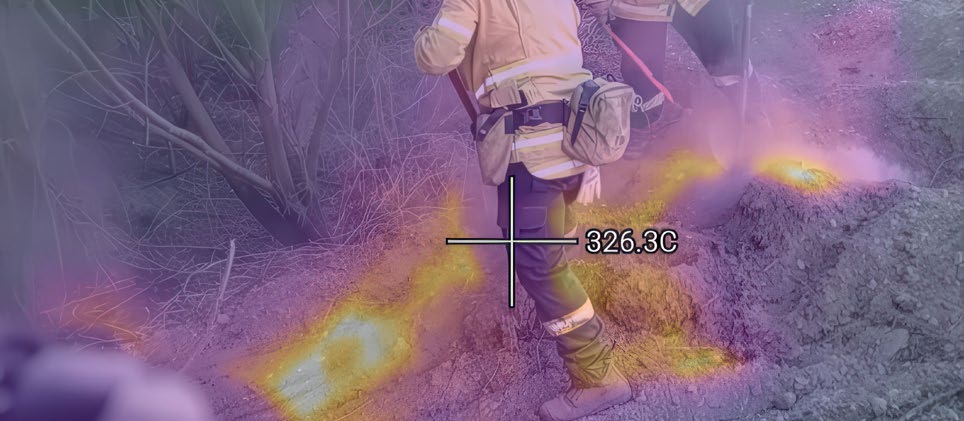
To test raw thermal sensitivity, researchers buried air-activated chemical warming pads — invisible to the naked eye — across a test area without telling participants where they were. Wearing the camera, participants located every pad immediately. The device went on to prove itself under real conditions too, successfully locating hot spots at wildfires in Canterbury during December 2024, with wearers spotting hot material through vegetation that would otherwise have gone unnoticed.
Beyond the thermal camera
The trial to date has focused purely on the camera. But the Navigator 520 is a full wearable computer — it can join Teams calls, access files, and send live video or still images from anywhere with Wi-Fi. Scion's researchers see this as the next step: using those same communication features for training and intelligence-gathering directly on the fireground.
Where this fits at Frontier Wear
We supplied the Navigator 520 behind this research.
As an authorised RealWear reseller, Frontier Wear worked directly with Scion's wildfire research team to get this device onto the fireground. If your team has a use case that doesn't fit a standard spec sheet, talk to us.
Source: Parker, R., Kunzli, J., Hooper, B. & Clifford, V. “Wearable thermal camera for hot spot detection.” Wildfire Research Update, Issue 21, Scion Bioeconomy Science Institute, August 2025. Funded through the Scion Endeavour research programme “Extreme Wildfire” (Ministry of Business, Innovation and Employment), with thanks to the Canterbury High Country Fire Team. Photos in this article are reproduced from the same publicly available report.